




Unlocking the Mysteries of Ancient Alchemy: Alchemy Practices and Traditions
Hey there! Have you ever found yourself daydreaming about the magical world of ancient alchemy? You know, those mysterious old practices where folks tried to turn ordinary metals into gold or find the secret to eternal life? Well, buckle up, because today we're diving deep into the enchanting world of alchemy practices and traditions. It’s a journey filled with symbolism, science, and a sprinkle of magic that’s still captivating hearts today.
Let’s explore how these age-old traditions have influenced not just history, but also the way we think about nature, transformation, and craftsmanship. Ready? Let’s go!
The Roots of Alchemy Practices and Traditions
Alchemy isn’t just some dusty old science experiment gone wrong. Nope! It’s a rich tapestry woven from different cultures and centuries of curiosity. The roots of alchemy stretch back to ancient Egypt, Greece, India, and China, each adding their own flavor to this mystical art.
At its core, alchemy was about transformation. Not just physical, but spiritual too. Practitioners believed that by understanding the natural world and its elements, they could unlock hidden powers. This wasn’t just about turning lead into gold (though that was a big goal!) but also about purifying the soul and achieving enlightenment.
Some key elements of alchemy practices and traditions include:
The Four Elements: Earth, Water, Air, and Fire were seen as the building blocks of everything.
The Philosopher’s Stone: A legendary substance said to enable the transmutation of metals and grant immortality.
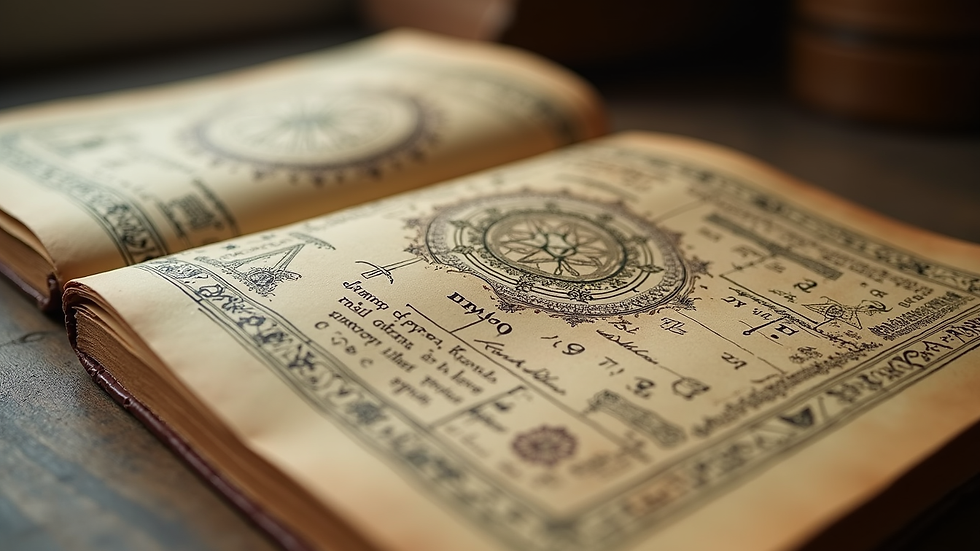
Symbolism and Codes: Alchemists loved their secret symbols, which made their work feel like a magical puzzle.
Laboratory Work: Mixing chemicals, heating substances, and observing reactions were all part of the process.
What’s fascinating is how these traditions blended science, art, and spirituality into one seamless practice. It’s like the original holistic approach!

What is an Ancient Alchemist?
So, who exactly were these mysterious figures called alchemists? Picture a mix between a scientist, a philosopher, and a magician. Ancient alchemists were curious souls who dedicated their lives to understanding the secrets of nature and the universe.
They weren’t just tinkering in labs; they were thinkers who believed that everything in the world was connected. Their work was as much about self-discovery as it was about experimenting with metals and potions.
Some famous ancient alchemists you might have heard of include:
Hermes Trismegistus: Often considered the father of alchemy, his writings influenced countless generations.
Paracelsus: A Swiss physician who combined alchemy with medicine, pioneering early pharmacology.
Geber (Jabir ibn Hayyan): An Islamic alchemist who made significant contributions to chemistry and experimental techniques.
These alchemists often worked in secrecy, passing down their knowledge through cryptic texts and symbols. Their legacy? A foundation for modern chemistry and a treasure trove of mystical wisdom.
The Symbolism Behind Alchemy Practices and Traditions
One of the most captivating things about alchemy is its rich symbolism. Every element, color, and shape had a deeper meaning. It’s like a secret language that only the initiated could understand.
For example:
Gold symbolized perfection and enlightenment.
Lead represented the base, unrefined self.
The Ouroboros (a snake eating its own tail) stood for eternal cycles and renewal.
The Alchemical Wedding symbolized the union of opposites, like spirit and matter.
These symbols weren’t just decorative; they guided the alchemist’s journey. They reminded practitioners that transformation was both an outer and inner process.
If you’re curious about incorporating some of this symbolism into your own life or creative projects, here are a few ideas:
Use alchemical symbols in your art or crafts to add layers of meaning.
Explore the four elements in your daily rituals—like lighting a candle (fire) or meditating near water.
Reflect on personal transformation as a kind of alchemical process, turning challenges into growth.
How Ancient Alchemy Inspires Modern Handcrafted Goods
Now, you might be wondering, “Okay, but how does all this ancient stuff connect to today’s world?” Great question! The magic of alchemy lives on in the way many artisans and conscious creators approach their craft.
Think about it: ancient alchemy was all about transformation and purity. That’s exactly what many modern makers aim for when they create natural, handcrafted goods. Whether it’s soap, candles, herbal remedies, or pottery, the process is about honoring materials, respecting nature, and infusing intention.
Here’s how ancient alchemy inspires modern craftsmanship:
Respect for natural ingredients: Just like alchemists sought pure substances, artisans choose organic, sustainable materials.
Mindful creation: The act of making becomes a ritual, a way to connect deeply with the work.
Storytelling through products: Each item carries a narrative, much like alchemical texts told stories of transformation.
Celebration of imperfections: Embracing the unique qualities of handmade goods, rather than mass-produced uniformity.
If you’re looking to support this kind of craftsmanship, here are some tips:
Seek out local artisans who use traditional methods.
Choose products with natural, simple ingredients.
Learn about the history and meaning behind the items you buy.
Consider making your own handcrafted goods as a form of personal alchemy!
Bringing the Magic of Ancient Alchemy into Your Life
Alright, so you’re intrigued by the mystical world of alchemy and want to sprinkle a little of that magic into your everyday routine. Lucky for you, it’s easier than you think!
Here are some fun and practical ways to embrace the spirit of alchemy:
Create your own “alchemy corner” at home with crystals, herbs, candles, and meaningful symbols.
Practice simple rituals like journaling your intentions or meditating on transformation.
Experiment with natural DIY projects like making herbal tinctures, infused oils, or handmade soaps.
Learn about the elements and how they relate to your personality and environment.
Remember, alchemy is all about transformation—so don’t be afraid to try new things and see what resonates with you. It’s a journey, not a destination!
If you want to dive deeper, check out resources and communities that celebrate traditional crafts and holistic living. You might just find your own modern-day alchemist tribe.
Unlocking the mysteries of ancient alchemy isn’t just about looking back—it’s about bringing that timeless magic into the present. Whether through handcrafted goods, personal growth, or creative expression, the alchemical spirit invites us all to transform the ordinary into the extraordinary.
So go ahead, embrace the magic, and let your own alchemical adventure begin!


Comments